-->

Rich history of our city , Namma Bengaluru

Bengaluru today celebrated as India’s technological capital holds a history that stretches far beyond its modern identity. Beneath the skyline of corporate towers and bustling traffic lies a landscape shaped by prehistoric settlers, ancient South Indian dynasties, empire builders, freedom fighters, and finally, post-independence visionaries. This article traces Bengaluru’s journey over thousands of years.

Earliest History: Prehistoric & Ancient Settlements (Neolithic to 10th Century CE)

Bengaluru’s earliest human activity predates recorded history. Archaeologists have unearthed evidence around areas such as Jalahalli, Chikkajala, Hesaraghatta, Begur, and Anekal, showing habitation during:

 1. Neolithic Period (c. 3000–1200 BCE)

 Tools, pottery, and burial sites indicate that early farming communities thrived here.  The region’s natural lakes and fertile plateau supported agro-pastoral life.

 2. Megalithic / Iron Age (c. 1200–200 BCE)

 Stone circles and burial chambers (dolmens) discovered around Bengaluru reveal strong megalithic cultural presence.  These communities laid the foundation for early Dravidian culture.

 3. Early Historic Period (c. 200 BCE – 300 CE)

 The region formed part of the Mourya and Satavahana influence zones.  Trade routes connecting Tamilakam, Andhradesa, and Karnataka passed through Bengaluru’s plains.

 4. Rise Through the Ganga Dynasty (4th – 10th Century CE)

The earliest recorded name of Bengaluru comes from Begur, where a Kannada inscription from 890 CE mentions “Bengaval-uru” (city of guards).  Under the Western Gangas (based in Talakad), the region saw  Early agrarian settlements  , Construction of temples and irrigation tanks , First administrative identity of Bengaluru.  This inscription is considered Bengaluru’s birth certificate in recorded history.

Rich history of our city , Namma Bengaluru


II. Medieval Bengaluru: Cholas, Hoysalas, and Vijayanagara (10th–16th Century)

 1. Chola Rule (c. 1000–1100 CE)

The Cholas briefly governed Bengaluru’s southern regions:

  •  Tamil inscriptions in Someshwara Temple, Ulsoor
  •  Introduction of improved administration and temple architecture
  •  Intensification of rice cultivation and tank systems

 2. Hoysala Period (11th–14th Century)

The Hoysalas left deep cultural impressions:

  •  Development of trade hamlets
  •  Spread of Vaishnavism and Jainism
  •  Temple structures in surrounding villages

 3. Vijayanagara Empire (14th–16th Century) – The City’s Founding Age

Nadaprabhu Kempegowda I (1513–1569), a chieftain under Vijayanagara rule, founded modern Bengaluru around 1537. Kempegowda’s vision laid the blueprint for a structured urban settlement :

  •  Built a mud fort at present-day KR Market
  •  Established markets, residential layouts (“petes”)
  •  Constructed lakes such as Dharmambudhi, Sampangi, and Kempambudhi
  •  Created the famous four watchtowers, marking the city’s boundaries

III. Bengaluru Under Sultanate Rule (16th–18th Century)

 1. Bijapur Sultanate Control (Late 16th Century)

After Vijayanagara’s fall (1565), Bengaluru changed hands ,  Captured by the Bijapur Sultans , Became a military and tax administrative centre

 2. Rise of Kempegowda II and the City’s Cultural Flourish

During this period ,  Gavi Gangadhareshwara Temple was expanded, Bull Temple at Basavanagudi was developed,  Water reservoirs and civic areas improved

 3. Mughal Interlude (1687)

The Mughals briefly controlled the region and sold Bengaluru to:

 4. The Wodeyars of Mysore and Their Historic Lease to Hyder Ali

The Wodeyars leased Bengaluru to Hyder Ali for an annual fee in 1759.

This marked the beginning of:

  •  Reinforced military fortifications
  •  Introduction of French-style army drill
  •  Urban expansion under a reorganized revenue system

 IV. The Age of Hyder Ali and Tipu Sultan (1761–1799)

Bengaluru played a central role in the Mysore Sultanate.

 Hyder Ali

  •  Strengthened the fort
  •  Supported cottage industries and horticulture
  •  Introduced new agricultural methods (mulberry, sericulture)

 Tipu Sultan

  •  Built the Lalbagh botanical garden (initial layout by Hyder, expansion by Tipu)
  •  Fortified Bengaluru during the Anglo-Mysore Wars
  •  The city became a strategic location in conflicts with the British East India Company

The Fourth Anglo-Mysore War (1799) ended Tipu’s rule, marking a new political era.

 V. British Colonial Bengaluru (1799–1947)

 1. Wodeyars Return, but British Establish Cantonment

The British returned Mysore to the Wodeyars but retained control of Bengaluru Cantonment, creating a dual-city structure:

  •  Pete Bengaluru (Indian city under Wodeyar rule)
  •  Bengaluru Cantonment (British-administered, centred around MG Road)

This dual system shaped the city’s:

  •  Urban layout
  •  Linguistic diversity (Tamil, Telugu, Urdu, English)
  •  Early modernization (drainage, railways, telegraph)

2. Early Industrialization (Late 19th–Early 20th Century)

Bengaluru became a centre for:

  •  Silk and textile mills
  •  Coffee curing works
  •  Railways workshop
  •  Military establishments (MEG)

Electricity arrived early Bengaluru was one of the first Indian cities to get electric street lights (1905). 

VI. Bengaluru’s Role in the Freedom Movement (19th–20th Century)

Bengaluru emerged as an important intellectual, political, and social hub during India’s struggle for independence.

 1. Early 19th Century Reform Movements

The Cantonment attracted educated Indians, sparking:

  •  Political awareness
  •  Social reform debates
  •  Rise of Kannada journalism

 2. Participation in National Movements

Bengaluru actively engaged in:

  •  Swadeshi Movement (1905)
  •  Home Rule Movement (led by Annie Besant)
  •  Non-Cooperation Movement (1920s)
  •  Civil Disobedience Movement (1930s)
  •  Quit India Movement (1942)

Prominent locations:

  •  Town Hall became a major protest site.
  •  Cubbon Park saw civil disobedience gatherings.
  •  Students from Central College, St. Joseph’s, and MES institutions organised major marches.

 3. Role of Sir M. Visvesvaraya

A towering figure from this era:

  •  Modernized Mysore State (which included Bengaluru)
  •  Pushed industrialisation and infrastructure
  •  Helped create institutions that nurtured a progressive civil society

 4. prominent Freedom Fighters from Bengaluru

Some notable contributors:

  •  K. Hanumanthaiah
  •  S. Nijalingappa
  •  T. R. Shamanna
  •  H. Narasimhaiah
  •  Numerous unsung students, labour unions, and women’s groups

By the time India achieved independence in 1947, Bengaluru was a dynamic centre of education, science, and civic activism. 

VII. Bengaluru After Independence (1947–Present)

 1. Integration into Mysore State

 Merged into the unified Mysore State (renamed Karnataka in 1973)
 Rapid urban expansion

 2. Rise of Public Sector & Science Institutions (1950s–70s)

 HAL, BEML, DRDO, ISRO, IISc, and BEL transformed Bengaluru into the “Science City of India”.
 Planned neighbourhoods like Jayanagar, Rajajinagar, and Vijayanagar emerged.

 3. IT Revolution (1980s–Present)

With the entry of:

  •  Texas Instruments (1985)
  •  Infosys, Wipro
  •  Electronic City, Whitefield’s ITPL

Bengaluru became:

  •  The Silicon Valley of India
  •  A global innovation hub with over 10,000 startups

4. Contemporary Bengaluru

Despite challenges of traffic, rapid urbanization, and infrastructure strain, Bengaluru remains:

  •  India’s startup capital
  •  A melting pot of cultures
  •  A city blending ancient lakes, colonial-era parks, and futuristic tech campuses 

What makes Bengaluru unique is its ability to absorb every era and evolve without losing its cultural soul. From the ancient inscriptions of Begur to the microchip labs of Whitefield, the city’s story is one of resilience, reinvention, and relentless creative energy. "Idhu Namma Bengaluru, namma hemmeya uru" . 

One day sightseeing trip package , Tour Bengaluru with Bengaluru Darshini AC volvo bus service from BMTC

If you're looking for a convenient and affordable way to explore Bengaluru's must-see sights, look no further than the BMTC's Bengaluru Darshini tourist bus! This hop-on, hop-off service allows you to discover the city's rich history, vibrant culture, and architectural marvels in a single day.

The Bengaluru Darshini bus takes you on a journey through some of the city's most popular landmarks. Here are some of the destinations typically included on the route :

  1. Kempegowda Bus Station : Bengaluru's bustling Kempegowda Bus Station, also known as Majestic, is the city's main bus hub.  Serving both intra-city and inter-city routes, it's a central point for commuters and a great place to witness the vibrant energy of Bengaluru
  2. ISKCON  : Nestled in Rajajinagar, Bengaluru, ISKCON Sri Radha Krishna Temple, also known as Hare Krishna Hill, is a revered shrine dedicated to Lord Krishna.  Inaugurated in 1997, the temple is renowned for its vibrant festivals, daily worship, free prasadam, and a serene atmosphere that welcomes devotees of all faiths. 
  3. Vidhana Soudha : the majestic seat of the Karnataka State Legislature in Bengaluru, stands as an iconic landmark of the city. Its grand architecture, inspired by Dravidian and Indo-Saracenic styles, reflects the rich heritage of Karnataka.
  4. Tippu Palace : Bengaluru's Tipu Sultan's Fort Palace, also known as Bangalore Palace, showcases Indo-Islamic architecture.  Once a summer retreat for the Mysore ruler, it's now a museum with beautiful floral motifs, intricate carvings, and a captivating glimpse into Tipu's life.
  5. GaviGangadareshwara temple : Bengaluru's Gavi Gangadhareshwara Temple, also known as the Cave Temple, is an architectural marvel. Carved out of rock, it features Lord Shiva as the presiding deity and is known for its mysterious stone discs and sun-aligned shrine, attracting devotees and history buffs alike.
  6. Bull temple : Bengaluru's Bull Temple, also known as Dodda Basavana Gudi, houses a colossal Nandi statue, one of the biggest in the world. This 16th-century temple, dedicated to Lord Shiva's mount, is a popular pilgrimage site and a must-visit for its architectural beauty and cultural significance. 
  7. Dodda Ganesha temple : Adorned with intricate carvings and revered for its auspicious atmosphere, Dodda Ganapathi Temple in Bengaluru's Basavanagudi neighborhood is a sanctuary for devotees seeking blessings from the revered elephant-headed god, Ganesha.
  8. Karnataka Silk Emporium : The Karnataka Silk Emporium in Bengaluru is a haven for silk enthusiasts. They offer a wide variety of exquisite sarees, dress materials, and other silk garments crafted from the finest Karnataka silk, renowned for its quality and vibrant colors. 
  9. MG Road : Bustling MG Road in Bengaluru is a shopper's paradise. Lined with trendy stores, historic shops, and street vendors, it offers everything from local handicrafts and international brands to delicious street food and lively pubs, making it a one-stop destination for a vibrant shopping and entertainment experience.
  10. Cubbon Park : Bengaluru's sprawling Cubbon Park, a verdant oasis in the heart of the city, offers a welcome respite from the urban buzz.  This 300-acre park, boasting lush greenery, ornamental flowers, heritage buildings, and a children's play area, is ideal for picnics, strolls, or simply soaking in the tranquility.
  11. Ulsoor Lake : Ulsoor Lake, a scenic escape in Bengaluru, is a popular spot for relaxation and recreation. This sprawling lake offers boating, walking paths, and lush greenery, making it a haven for nature lovers, joggers, and families seeking a tranquil escape amidst the city's buzz.
  12. Sir M Vishveshwaraya Museum : Bangalore's Sir M Vishveshvaraya Museum, a treasure trove of science and technology, ignites curiosity in all ages. Explore interactive exhibits, life-size models like the Wright Brothers' Flyer, and halls dedicated to space, electricity, and more, making learning a fun and engaging experience.
  13. Venkatappa Art Gallery : Tucked away near Cubbon Park, Bengaluru's Venkatappa Art Gallery is a haven for art lovers.  Housing a collection of paintings by renowned artist K. Venkatappa alongside works by other established and emerging artists, it offers a window into Karnataka's artistic heritage
  14. Government Museum : Bengaluru's Government Museum, a treasure trove of Karnataka's history, is a must-visit for culture enthusiasts. This neoclassical building houses archaeological and geological artifacts, including sculptures, coins, and the famed Halmidi inscription - the earliest Kannada inscription ever discovered.
  15. Karnataka ChitraKala Parishad : A haven for art enthusiasts, Bengaluru's Karnataka Chitrakala Parishath showcases a diverse collection of paintings, sculptures, and folk art, encompassing traditional, modern, and contemporary styles. This vibrant art complex also houses an art college, galleries, and a renowned annual art festival, making it a hub for artistic expression and appreciation.


One day sightseeing trip package , Tour Bengaluru with Bengaluru Darshini AC volvo bus service from BMTC


Booking , Cost , Timings

Bengaluru Darshini operates on a daily basis, typically starting from the Kempegowda Bus Station in the morning and returning in the evening. Tickets can be purchased directly at the bus station on the day of travel, or you can inquire about advance booking options on BMTC/KSRTC websites. Trip starts by 8.30 AM till 7 PM evening with a lunch break between 1 PM to 2 PM.

Bus is budget-friendly, making it an accessible option for tourists and locals alike. Expect to pay around ₹400 for adults and ₹300 for children (GST extra, prices subject to change). This fee typically includes the entire day's travel on the bus and guide commentary. 

Here are some reasons why the Bengaluru Darshini bus is a great option for exploring the city:

  • It's a convenient and affordable way to see the major sights without the hassle of navigating public transport or hiring a taxi.
  • The AC Volvo bus ensures a comfortable journey with ample legroom for sightseeing throughout the day. 
  • Benefit from informative commentary from a guide on board, pointing out historical details and interesting facts about the city. 

Visitors are advised to carry a water bottle, hat, and sunscreen as the weather can get warm. Wear comfortable shoes for walking around the various sightseeing spots. Inquire about the specific itinerary and timings for the day you plan to travel. So, if you're looking for a hassle-free and enriching way to discover the beauty of Bengaluru, hop on the Bengaluru Darshini bus and let the city unfold before you.

Why KSRTC Ambaari Utsav , Experience the luxury of bus travel

Karnataka State Road Transport Corporation (KSRTC) with its Ambaari Utsav Volvo 9600 series of Buses is providing a luxurious experience to its customers.  

Here is a complete overview of this luxurious bus

  • Based on Scandinavian design , based on Volvo core values of Safety , Environmental care and Quality
  • Offers unique visibility to the passengers through its new design of Panoramic windows
  • 40 berths in 2x1 configuration with best-in-class head room for superior comfort to passengers both both in sleeping and sitting position (867 mm - lower berth , 850 mm upper berth , 790 mm rear compartment berths
  • Improved survival space for best-in-class safety for passengers
  • PU foam sleeper berth with Backrest covered with premium grade Rexene
  • Anti-slip PU foam ladder reinforced at each upper berth with low berth cubical
  • PU molded side support at every berth cubical at gangway side
  • Berth cubical integrated accessories - reading lights , 2 air vents, twin port USB and mobile holder 


These buses are powered by D8K fuel efficient Volvo 8 liter engine with a max power of 350HP at 2200 RPM , max torque of 1350 NM , 1200 to 1600 RPM with EGR + SGR emission control system. Its equipped with a 12 speed I-shift mechanical gearbox with automated gear changing  , a superior upgraded PX suspension and shock observers enhancing travel experience. 

Why KSRTC Ambaari Utsav , Experience the luxury of bus travel


Some of the inbuilt safety features of this vehicle include- Electronic Vehicle Stability Control (EVSC) , Anti lock braking System (ABS) , Electronic Stability Program (ESP) , Electronic Brake System (EBS) , Anti-Slip regulation System (ARS) , Fire detection and Suppression system , Fire Extinguishers , Roof Escape hatches meeting all regulatory requirements.

These 15 mts bus fleet currently operates to long distance destinations from Bengaluru such as Hyderabad , Secundarabad , Ernakulam , Tiruvananthapuram , Pune , Kundapura , Trichur , Panaji and much more destinations in future.

When compared with the other fleet of Airavat Dream class , this bus comes at approximate 10 to 15% higher ticket rates which is worth the experience.


Divine Ayyappa swamy temple on a rocky hill , Gottigere , Bengaluru


Highlights of this spot

  • Ayyappa temple sanctum having Idols of Ayyappa , Ganesha and Subramanya
  • Shanimahathma temple sanctum having idols of Shanimahathma , Najundeshwara and Parvathi
  • Narasimhaswamy temple 
  • Very calm place , ideal for meditation and conducting special functions
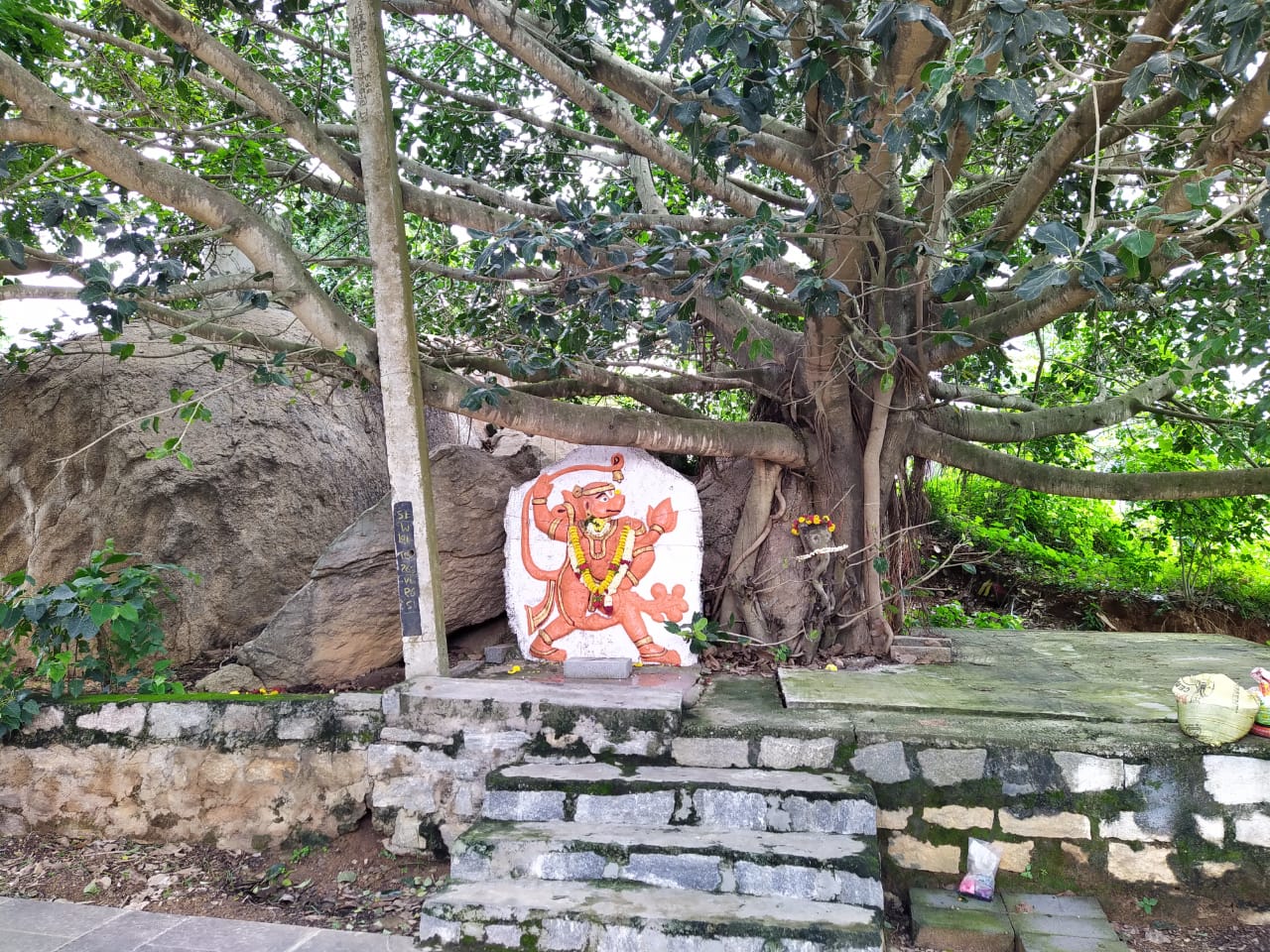
  • Unique peepal  tree surrounding a hanuman stone carving.

Our team while passing through the NICE road on to Bannerghatta road , came across this unique complex of temples situation on a rocky hill . This temple is just adjacent to the BWSSB water tank at Gottigere , Bengaluru.


Area is spread over more than 1 to 2 acres with lush greenery around . As we enter the lane , a beautiful shanimathma temple can be seen . In this temple , a lady priest conducts pooja and devotees take her blessings . Its very silent and peaceful for devotees at this spot and one can feel the vibes. Idols of Shiva in the form of Nanjundeshwara linga and Parvathi are also present in this sanctum. Temple manager Sri Ramanna who briefed about the spot and shared information on unique traditions with their meanings.


After crossing this temple , we were welcomed by the beautiful Ayyappa Swamy temple with a writing Tatvamasi which means I am that (Universal God) , walking by the stairs with rocky surfaces around gave a pleasant feel of visiting a remote temple. After climbing the stairs a magnificent sanctum and pillar welcomed us and the vibes around were esthetic. On entering the sanctum , the environment was very peaceful , idol of Ayyappa swamy similar to the one of Shabarimala style was delightful to watch. There is a separate hall for Ayappa devotees for bhajans and programs. 


Adjacent to this temple is a peepal tree under which a hanuman is carved on the stone , one of the devotee share info , the branches of the peepal tree have structured itself in such a way to provide shade to this rock.  We noticed one of the tree branch in the form on ganesha trunk was another attraction.


Passing through we visited the Lakshmi Narasimha Swamy temple where a unique 5 feet Narasimha idol along with Lakshmi was consecrated in sitting posture. As this is the top of the small rocky hill , we could take a good view of the city around  , relaxed on the rocks for some time and returned back.

Overall a very nice , peaceful environment temple complex to visit with family and friends. Temple is open in the morning from 6.30 AM to 11.30 AM and in the evening between 5.30 PM to 8 PM . Do visit this spot and share your experience.

Hebbal Lake Park , Bangalore

 Highlights of this spot

  • Spread over 192 acres 
  • Well maintained beautiful park adjacent to the lake , good view of lake from the park
  • Birds such as Koyal , Cranes , bulbul , Ducks , sparrows , parrots may be spotted
  • Popular as Lovers spot , attracts many couples through its scenic views throughout the day
  • Green lawn for visitors , for children outdoor play and programs
  • Entrance fee of Rs.10 per visitor . Good paid Parking facilities.
  • There are no recreation activities , food stalls at the spot . So visitors are recommended to carry food and water.


Hebbal Lake View

Green lawn


A very nice relaxing spot to visit with family and friends . Do visit this spot and share with us your experience.

Kashi Vishveshwara Swamy Temple , Sultanpete


Sringeri mutt

Karishma Hills - Thuralli forest - Trekking

In this post, we share our visit experience to Thuralli forest hilltop , popularly known as Karishma Hills.

Highlights of this spot

  • About 15kms from city center
  • Trekking spot , 20 min walk to hill top , difficulty level - normal.
  • Shanimahathma temple on hill top
  • Shivalinga, nandi idols on hill top
  • Although this belongs to Thuralli forest, its known after the layout Karishma Hills which is beside this hill.
  • Good scenic views from hill top.


We headed to this spot on a sunday noon , took the banashankari 6th stage Thuralli forest road. However to our luck, the road inside the forest area was blocked , so we were forced to take the trekking path.


We drove through around BSK 6th stage roads, and reached at the hill bottom on the other side. Although known as Karishma Hills, this is only a forest hill - may be gained popularity from a layout name Karishma Hills in the vicinity.


The sun was booming over us and were already sweating before trekking !! We took some refreshments in the only bakery available on roadside , relaxed a bit and started our journey.


We noticed few local friends group celebrating a party with some hot drinks here :) . The track was clearly visible, noticed few snake nests at the start, so be careful to visit in a group with some good pair of shoes. Track was not much difficult, we enjoyed climbing through the hill rock muddy paths.


After about 15 minutes, with just 50 mts away from hill top - we heard temple ring bells sounds. Soon we reached the spot. Which is the highest point on this hill. Sanctum adorning Lord shanimahathma ,in front of crow idol was blissful to watch. We took darshan , some snaps and started descending back. Surprised by few two vehicles parked in front of temple, we tracked back and came to know they had takem the other path from Thuralli forest which was blocked for us.


From top of hill, a glimpse of growing south Bengaluru could be noticed, temples such as omkar hills, iskcon vaikunta hills may be noticed. We came across a police Constable here, when asked were advised to visit this spot only in groups as there were cases of robbery from some miscreants.


Overall a good spot to exercise your muscles with a trekking sprint . Best time to visit would be early morning hours. Do visit this spot and share your experience.

Gali AnjaneyaSwamy temple , Mysore road - Bengaluru


In this post , we share our visit experience to Gali Anjaneya swamy temple near Byataraayanapura , Bangalore - Mysore road . 

Highlights of this spot

  • Believed to be established by Sri Vyasaraja thirtha during 14th century 
  • Idols of Lord Hanuman as Gali Anjaneya , Rama Sita Lakshmana , Ganesha & Venugopalaswamy are consecrated here
  • Hanuman Idol faces towards west 
  • Gali in kannada means "Wind" or "Air".  As hanuman is considered as son of Vayu , hence the name Gali Anjaneya
  • Hanuman Idol is smeared with Sindhura (a saffron coloured paste ) - considered as one of the only south Indian temple of this kind.


This temple is easily accessible & visible on the main road side . The Rajagopura is a beautiful one on which many idols of Hanuman , Rama family are carved. On entering this gopuram , straight visible are sanctums of  Hanuman , Rama , Ganesha & Venugopalaswamy . 


The queue system is good and well managed by the staff here . Darshan of Lord Hanuman is at last after covering other sanctums. Hanuman Idol may be around 4 to 5 feet in a standing position and has a mustache. For us it seem to resemble Kengal temple. Prasadam in form of Theertha , Rasaayana is served here. 


Many devotees from all over the city visit here to take blessings , pooja for their vehicles etc. The temple car / ratha festival is considered to be one of the oldest one with about more than 100 years of history. Special poojas are conducted on Hanuman jayanathi.


Temple is open for darshan from morning 7 to 1 PM and in evening between 5.30 to 8 PM. Usually crowded a nice place to visit with family and friends . Do visit this spot and share your experience.

Nimishambha devi temple , Rajarajeshwarinagar

In this post , we share our team visit experience to Nimishambha devi temple at Rajarajeshwari Nagar , Bengaluru. 

Spot Highlights
  • Constructed during 2014 - having a unique Kerala architecture design 
  • Idols of Nimishambha , Shivalinga , Ganesha , Sathyanarayana consecrated
  • Mantaps for conducting special programs


Temple houses a Dwaja stambha at the entrance . On entering the main diety Nimishambha sanctum is mesmerizing. Spot is very peaceful filled with ambiance. Construction of temple sanctum & pillars resembles typical Kerala type of architecture - sheltered with red tiles.


Shivalinga in the form of Mauktikeshwara is worshipped here.


Temple is open between morning 6.30 AM to 1.30 PM and at evening between 4 PM to 8.30 PM. Overall a nice temple to visit with family & friends. Do visit this spot and share your experience.

Sri Prasanna Veeranjaneya Swamy temple , Mahalakshmi Layout - Bangalore tourist destinations.

In  this post , we share our visit experience of Sri Prasanna Veeranjaneya Swamy temple  at Mahalakshmi Layout , about 6 kms from city center towards North west Bangalore. Also known as  Temple layout of Bangalore , many temples are located in Mahalakshmi layout - few to name - ISKCON Sri Krishna , Veeranjaneya Hanuman  , Srinivasa temple (MariTirupathi)  etc.

 
Temple side view


Highlights of this temple :

  • In 1973 , a huge oil paint of the lord hanuman appeared befitting the surface of the huge rock
  • It was then carved on this single monolith udbhava shila idol of 22 feet height ,  16 feet wide and 4 feet thick and Prana pratistapana was done in 1976.
  • In 1985 , 7.5 ft high gold plated kalasha installation and the Maha kumbhabhisheka of the main temple was celebrated
  • Temple sanctum is 40 ft long and 40 ft wide . The upper structure is 40 ft high with a concrete dome and gopura is 41 ft high and total height comes to 81ft

Gopuram
  • Temple campus  also houses  a 20 feet Mahalakshmi idol , marble idols of Ganesha , Sita Rama Lakshmana.
Paintings depicting the construction stages

Temple is in the midst of Mahalakshmi layout , about half km from West chord road. The infamous ISKCON Sri krishna foundation temple is visible from this temple hill top. Many devotees after visiting ISKCON visit here.


ISKCON temple view 

There are two entrances to the temple from the main road and cross roads through a park. Temple campus has a Meditation hall ,  a big stage where cultural programmes & Bhajans are conducted. When we visited , exhibitions were organised selling spiritual books , gift items etc.

Painting of Hanuman in the concert hall


Temple is open in morning 7 AM to 12 PM and in evening between 5 PM to 8 PM. On Sundays , temple remains open for Darshan till 1 PM.


Besides this temple is a lush green park dividing the temple and another famous temple in the locality , the Srinivasa temple where a 5 feet idol of Sri Venkateshwara is consecrated  , 

Srinivasa temple

also known as Chikka Tirupathi / Mari tirupathi - this spot has a temple apartment known as "Charana Gopura" of 5 floors where at each floor with lift facility - different idols and carvings depicting avatars & life of  Lord Vishnu , Krishna , Lakshmi are displayed. There is an entrance fee of Rs.20 for adults , and Rs.10 for children ! This is open for visit between morning 10 to evening 7 PM .

Charana Gopura

Overall a nice spot to visit with family and friends . Do visit this spot and share your experience.


Terms | Privacy | 2024 🇮🇳
–>